Insights from EB2026 - Professionals and Open Forums
The EB2026 International Congress in São Paulo, Brazil, represented an important milestone for the global Epidermolysis Bullosa (EB) community and was the first international EB congress of this scale to be held in South America.
The exceptionally well-organized event fostered a strong spirit of collaboration and highlighted that the true strength and heart of the EB community lies in the individuals who are part of it.
We were delighted to meet many of you in person and to have the opportunity to connect, exchange ideas, and spark new initiatives and collaborations for the EB Clinet community.
EB Clinet contributed to the EB2026 Congress by organizing two types of forums addressing key aspects of care for people living with EB. In addition to educational sessions designed specifically for healthcare professionals (Professionals Forums), the program also included open forums that were accessible to all congress participants.
Professionals Forum: Nutrition in EB
Chair: Ana Paula Caio Zidorio
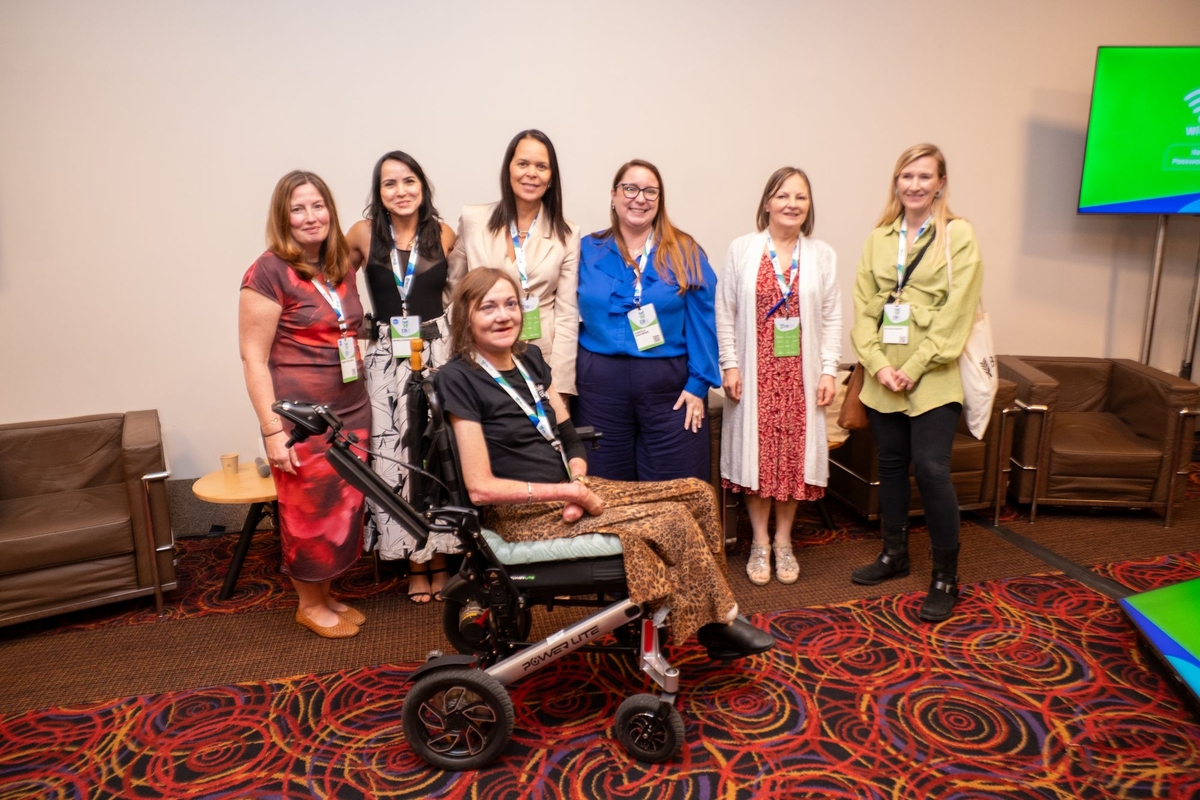
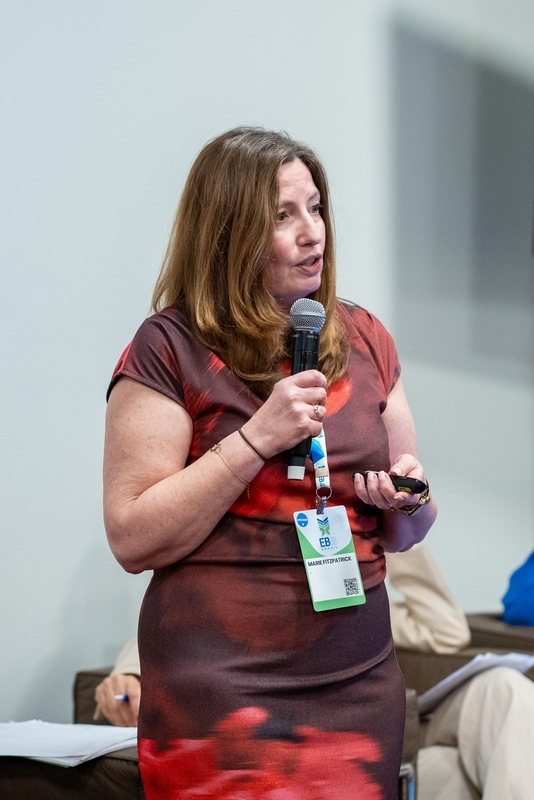
Speakers: Maria Efigenia de Queiroz Leite | Marcela Peres Rodrigues Madueira | Marie Fitzpatrick | Rosie Jones | Anna Carolina Rocha
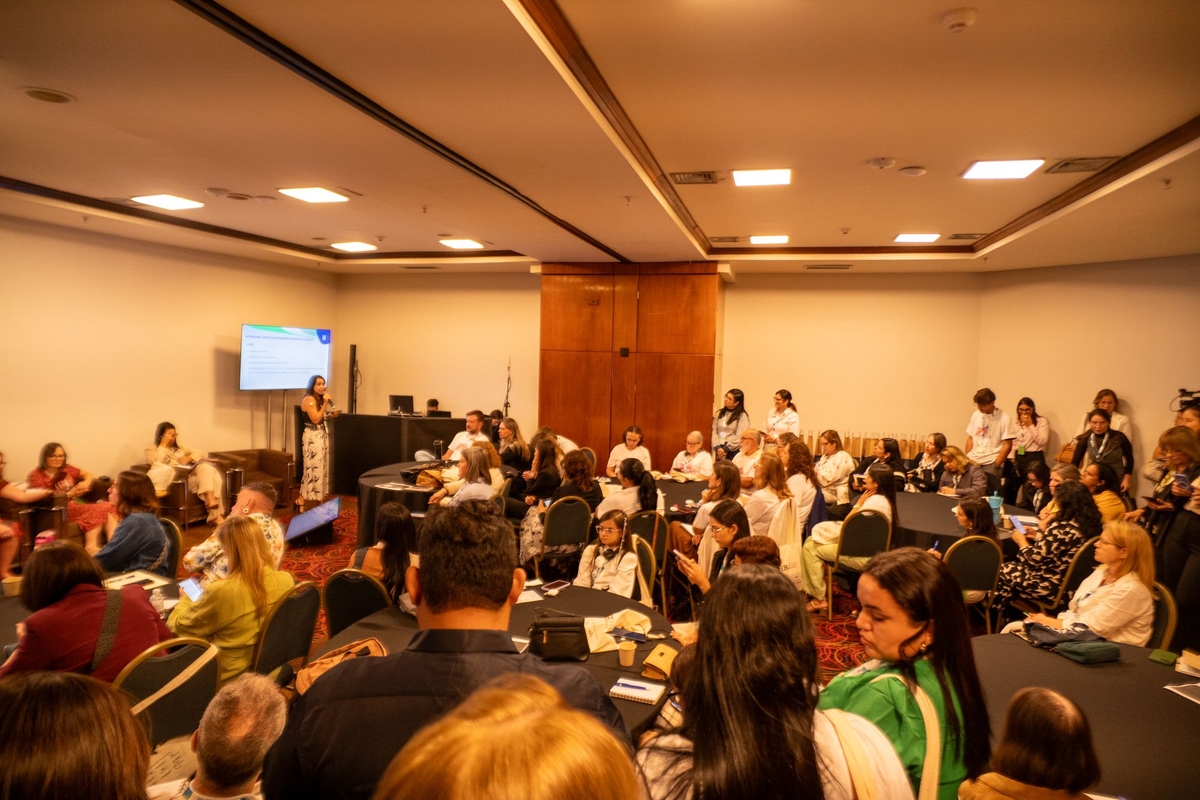
The Professional Forum on Nutrition in EB brought together around 70 participants from different backgrounds to discuss current clinical challenges and multidisciplinary approaches in EB care.
The forum presented an overview of the current reality of EB nutritional care in Brazil and highlighted ongoing initiatives in this field. International dietitians from EB reference centers shared expertise on key aspects of nutritional management, including gastrostomy and nutritional supplementation.
A broader perspective was introduced by showing that nutrition in EB goes beyond meeting caloric and protein targets and by emphasizing the need for a multidisciplinary and sensory-aware approach, acknowledging taste preferences and food-related experiences, which raised the question of whether savory-tasting supplements are sufficiently available.
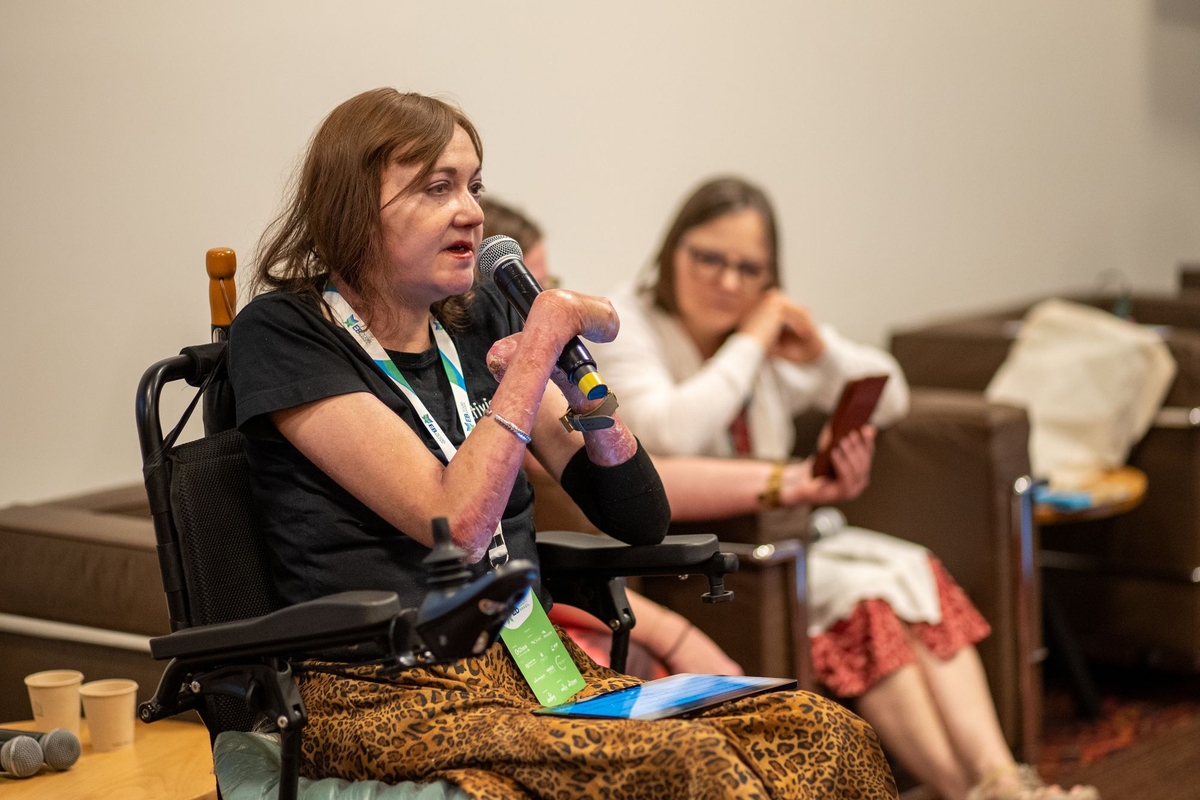
The program also included the perspective of a woman living with EB, who addressed the daily challenges related to food, nutrition, and quality of life.
Through scientific discussions and shared lived experience, the forum promoted knowledge exchange and reflection on EB nutritional care and reinforced the importance of multidisciplinary and patient-centered approaches in the nutritional management of EB.
The session reinforced that effective nutritional management in EB requires clinical expertise, patient-centered and individually tailored care plans, continuous follow-up, and strong interdisciplinary collaboration.
Professionals Forum: Psychological Support in EB
Chairs: Jodie Fellows | Michelle Lahat
Speakers: Deirdre Callis | Alejandra Livschitz | Gudrun Salamon | Petra Hitthaler-Waigner | Joanna Willen
This meeting, which marked the first-ever psychology forum at an international EB congress, featured presentations and discussions focused on increasing patient activation and engagement in care.
The family support team from DEBRA Ireland described their impactful work developing personalised, illustrated booklets that help children explain their EB to classmates. Findings from interviews with EB psychologists were also presented, highlighting that most professionals work primarily in assessment settings, with only a few offering long-term therapy. In addition, accessible EB self-care leaflets designed for young children were introduced.
The discussion explored challenges related to difficult conversations and differing agendas in EB care. The SPIKES and PERCS communication models were outlined as supportive frameworks. Details were also shared about a new DEBRA International leaflet designed to support conversations about sexual relationships, which will soon be available on the DEBRA International website.
The session provided valuable insights into psychological support strategies for EB families, emphasizing personalized care, early education, the importance of clear and compassionate communication, and practical resources to reduce stigma and foster inclusion. Families and healthcare professionals alike are encouraged to collaborate in providing emotional and practical support throughout the various stages of an EB patient’s life.


Professionals Forum: Wound Care and Nursing in EB
Chairs: Kalsoom Begum | Catalina Hubner
Speakers: Maria Helena St ana Mandelbaum | Anette Downe | Janet Hanson
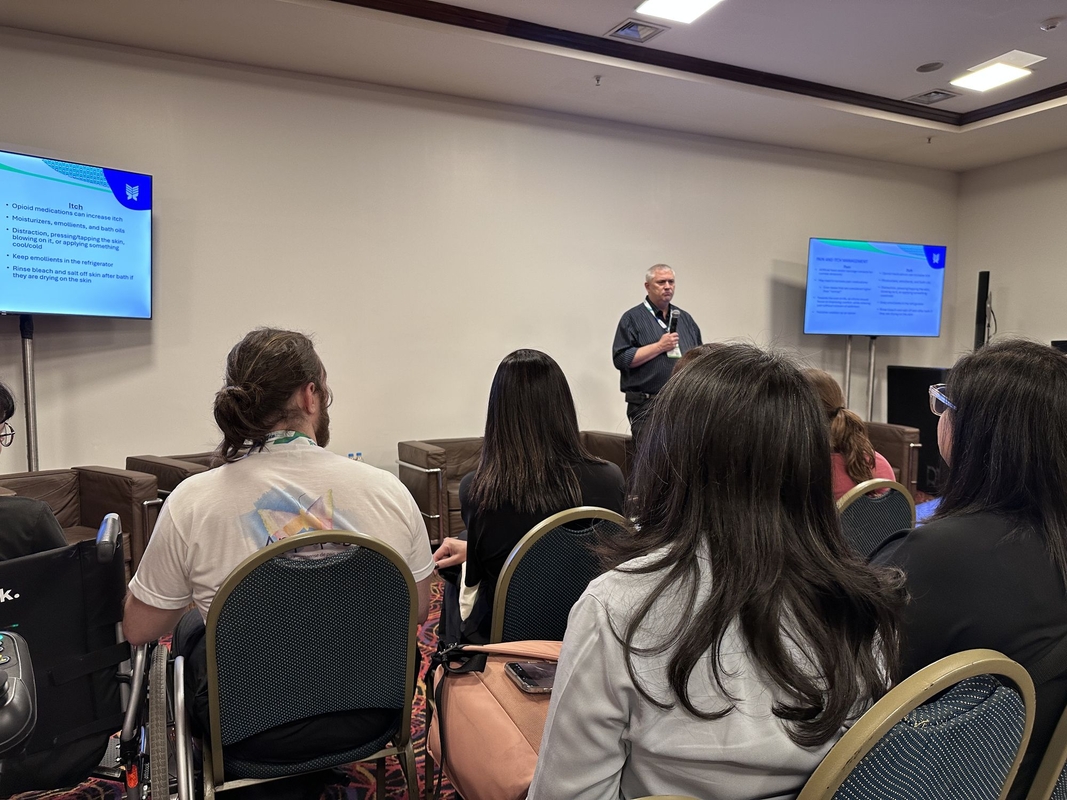
The Professionals Forum on Wound Care and Nursing in EB brought together approximately 100 participants, including nurses, patients, DEBRA representatives, and physicians. The event focused on holistic, patient-centered care in EB, highlighting both clinical and emotional aspects of nursing.
At the start of the session, a clear core message was highlighted: 'We don't care about diseases; we care about people.' EB is a systemic condition, requiring nurses to combine their clinical role (wound care, pain management, assessment) with their emotional role, especially when supporting parents who may experience feelings of guilt or fear.
Early foot care was emphasized to prevent mobility limitations and psychological dependency. Discussions also addressed EB types and diagnosis, wound care in different skin tones, pain and itch management, nutrition, and newborn care.
The importance of providing psychosocial support and facilitating a structured transition into adult care from early adolescence onwards was addressed, as was the importance of introducing palliative care at an early stage, clarifying that it is not limited to end-of-life care. A wound care description tool was introduced to standardize assessment and strengthen clinical knowledge.
The forum concluded by reinforcing collaboration, parental empowerment, and international exchange among nurses working with EB patients and their families.


Professionals Forum: Palliative Care in EB
Chairs: Mark Popenhagen | Nicholas Schräder
The session created a safe space for open discussion about palliative and end-of-life care in EB. Mark Popenhagen emphasized that, according to the World Health Organization, palliative care aims to improve quality of life through early identification and treatment of physical, psychosocial, and spiritual suffering.
In this sense, all EB care is palliative. Interdisciplinary collaboration, open conversations about wishes, and making meaningful memories were key messages.
Nicholas Schräder highlighted cultural aspects of care and discussed team dynamics. In the discussion, the group explored how to handle differing opinions within interdisciplinary teams. This emphasized that patient-centered care must remain the priority, even when professional disagreements arise.
Palliative care in EB is not only about end-of-life support, but about improving quality of life at every stage. The session underscored the importance of interdisciplinary collaboration, cultural sensitivity, open communication about wishes and fears, and compassionate support for both patients and families throughout illness, dying, and grief.

Open Forum: Active Health in EB
Chair: Jennifer Chan
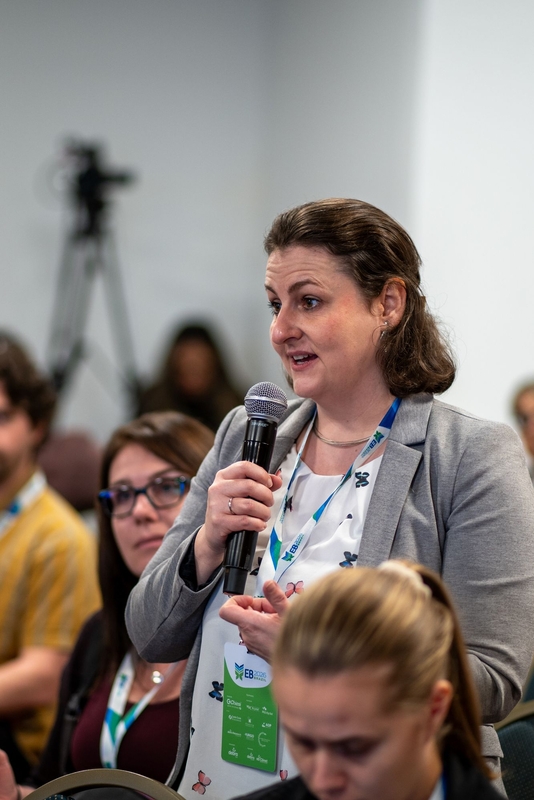
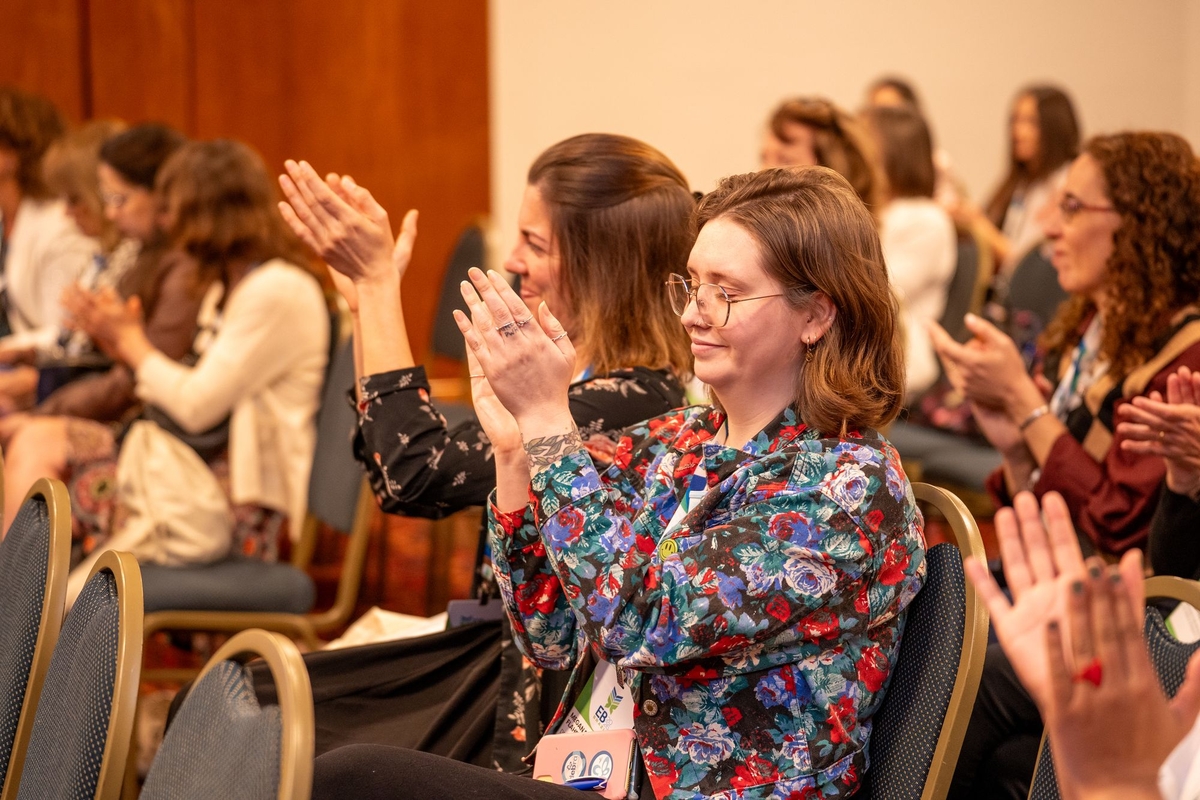
The session opened with powerful video messages from three individuals living with EB who shared their experiences of leading active lives—from supporting sports teams and enjoying outdoor activities to practicing martial arts. Their stories illustrated that, despite limitations and occasional setbacks such as blisters or wounds, physical activity can be both possible and deeply rewarding.
The discussion emphasized the importance of physical activity for both physical and mental health, including muscle strength, joint flexibility, bone health, autonomy, and self-determined daily living. It also highlighted that an active lifestyle extends beyond traditional sports to include activities such as dancing, gardening, crafts, or club participation—promoting overall well-being on multiple levels.
At the same time, barriers to participation were addressed, including restricted access to facilities, limited adaptability of team sports, and a lack of trained instructors confident in supporting individuals with specific needs.
This session promoted a personalized and realistic approach to staying active—starting from one’s current abilities, focusing on individual interests, and progressing step by step toward achievable goals.
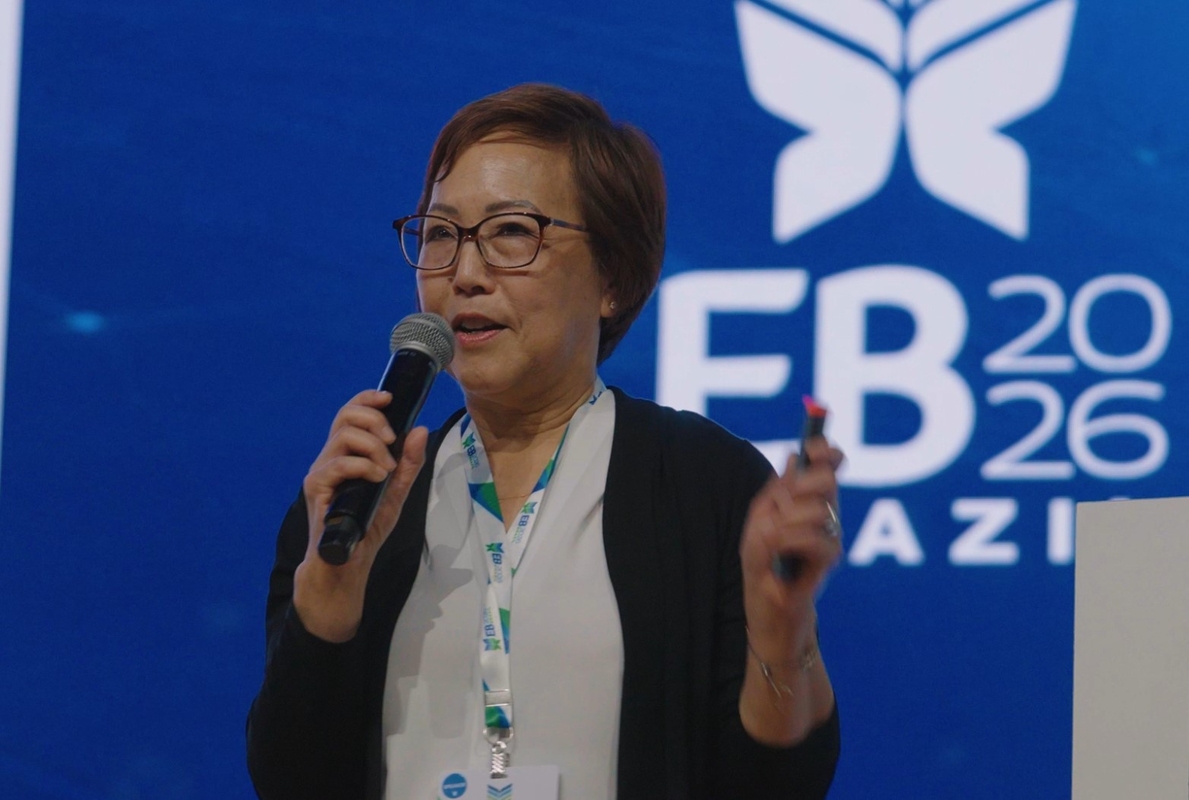
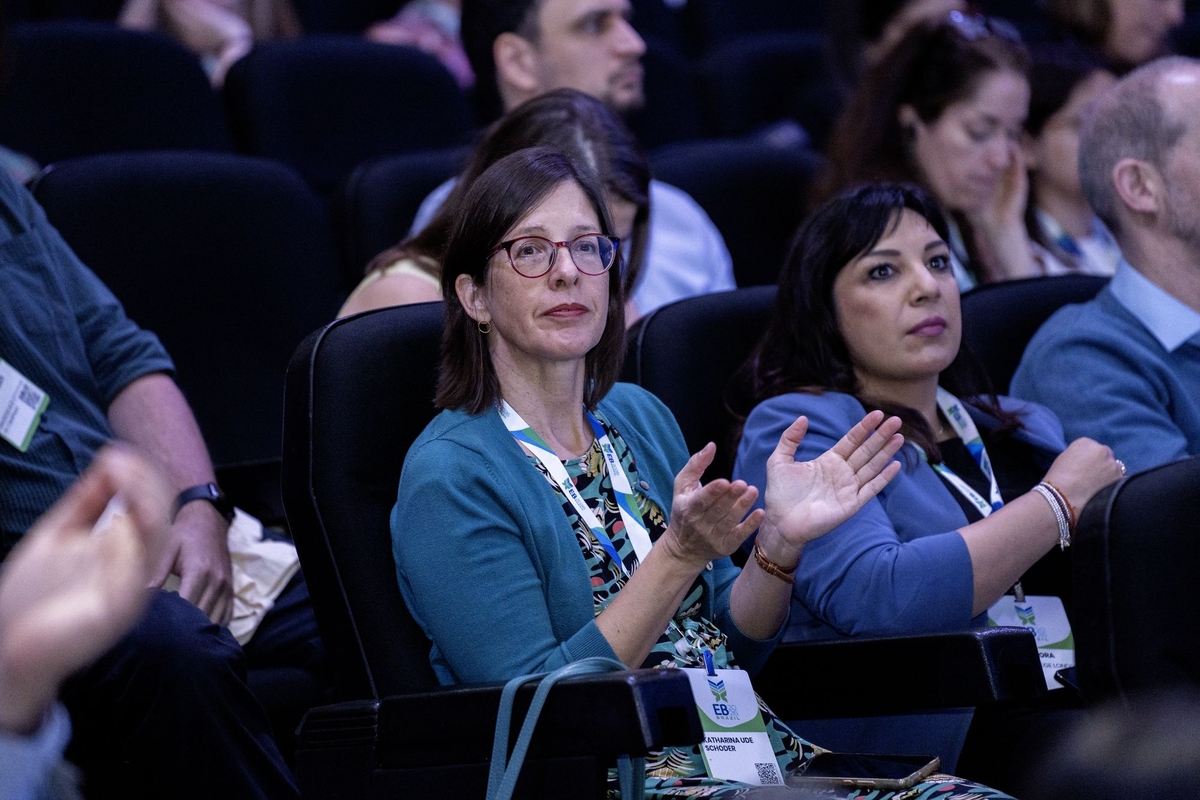
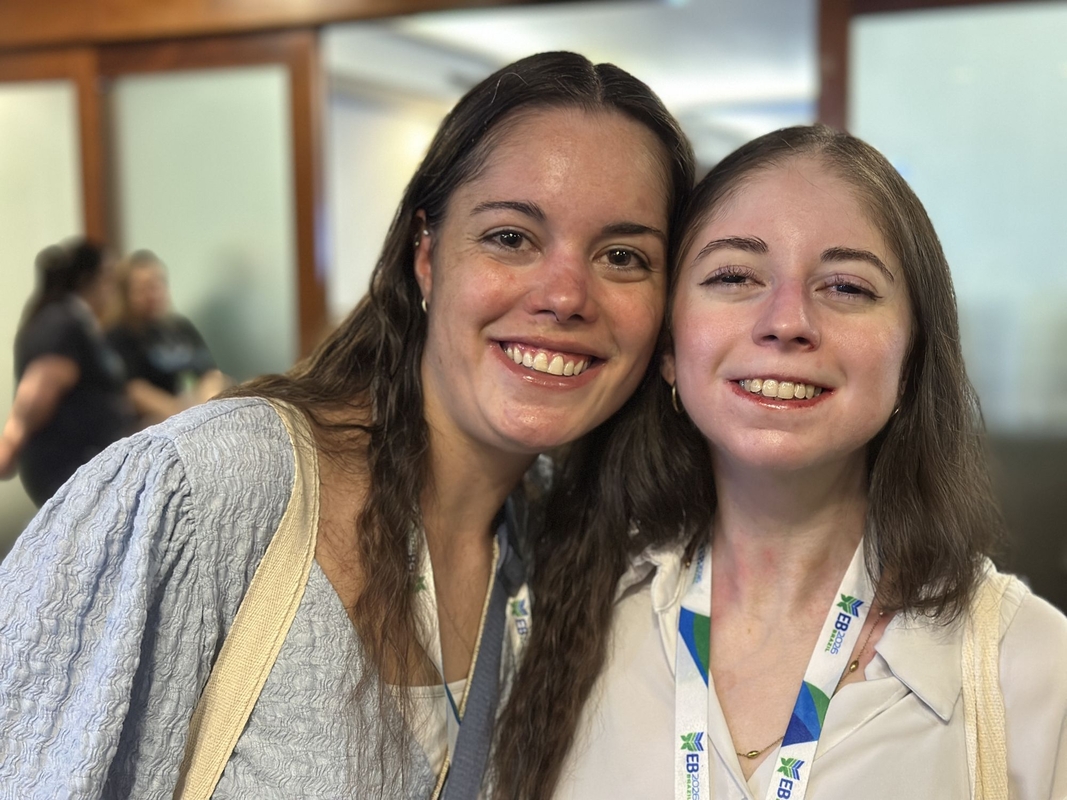
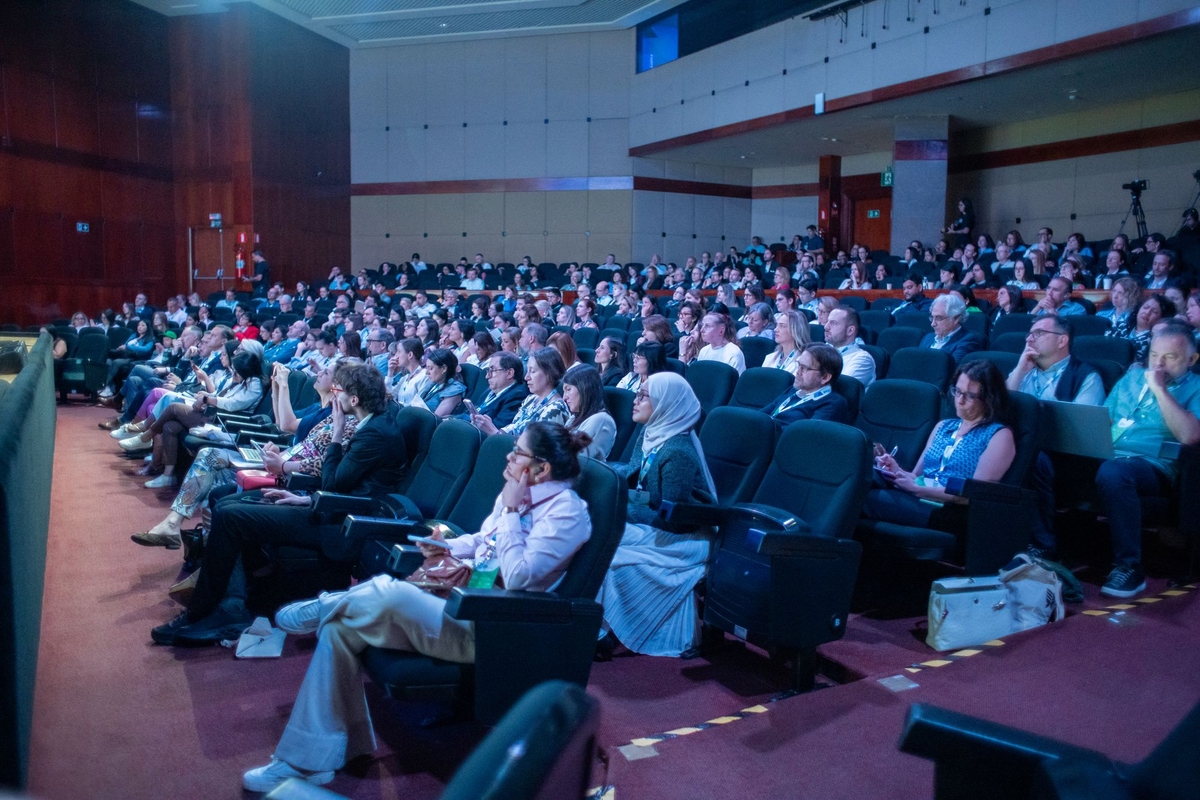
EB Clinet would like to express its sincere thanks to everyone who contributed to the forums at EB2026. Your expertise, engagement, and openness helped create a truly valuable space for professional exchange, meaningful discussion, and shared learning. Together, you laid an important foundation for future collaboration, innovation, and continued progress in the care and support of people living with EB.